

Immigrant Data Collection Bill on Hold to “Allow More Time for Conversations”
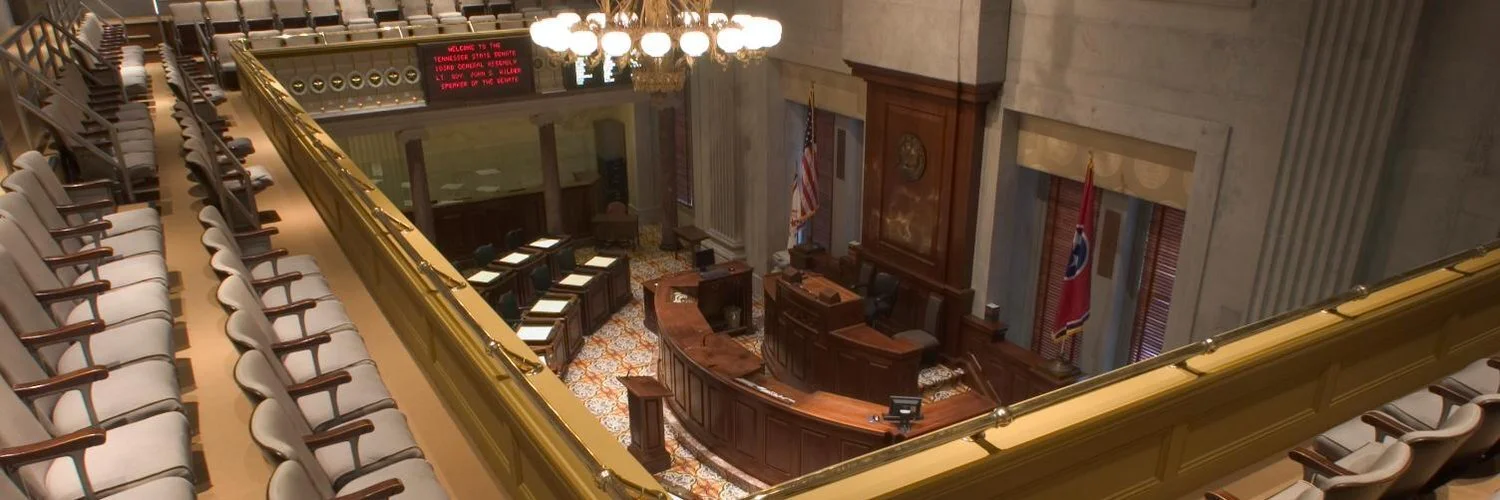
Senate Chamebers (Stock Photo)
The much-discussed legislation that would require school districts to collect data on immigrant students’ documentation status has run into a roadblock.
House Bill 0793 attracted considerable attention last year before its sponsor, Representative William Lamberth, R-Portland, put it on hold for the year because of concerns it might cause the state to forfeit a billion dollars in federal funding. The original version would have allowed school districts the ability to deny admission or tuition to students lacking permanent legal status.
Lamberth amended the bill this year to allow districts to collect data only on the legal status of immigrant students to assess how much they cost Tennessee. He has said that no names, addresses, or other personally identifiable information would be included in the data sent to the state.
Senate Surprise
The Senate passed the original version of the bill last year, and the chamber was expected to confirm it to the new House version, but on Thursday, Senate sponsor Bo Watson, R-Hixson, referred it back to the Calendar Commission instead. Watson sent a statement to the Tennessee Firefly to explain why.
“We’re holding the bill in Calendar to allow more time for conversations with our colleagues in both chambers and to continue working through the differences between the House and Senate versions,” said Watson. “The Senate passed its version because members felt strongly that it reflects a thoughtful and balanced approach. At the same time, the House has its own priorities, and those deserve consideration as well. This is a team sport, and the goal is to get the policy right. Taking additional time gives us the opportunity to keep those discussions going, build consensus, and determine the best path forward.”
Financial Concerns Remain
Both versions of the bill have been universally opposed by Democrats, and other opponents argue the new version will still cost the state money.
A report from the Immigration Research Initiative (IRI) estimated the bill would cost more than $55 million in its first year, with costs increasing each year afterward. Lamberth has disputed those estimates, saying the bill would have a “not significant” financial cost.
The prior version of the legislation also brought discussion that its intended goal was to set up a direct challenge to the Supreme Court ruling Plyler v. Doe (1982), which made it illegal for states to bar children without proper immigration documentation from attending public school.
